Sustainable Solutions: Knowledgeable Environmental Support for Your Business
Eco-friendly approaches constitute a vital element of present-day business sector. Specialized green consulting allows businesses the capacity to optimize operations while minimizing their ecological impact. Through managing environmental footprints and compliance issues, consultants lead businesses in the direction of eco-friendly operations. This evolution not only supports the environment but also reflects the ethics of eco-conscious consumers. The journey to sustainability, yet, is complicated and requires thoughtful analysis of multiple variables. What steps could businesses implement to catalyze this shift?
Learning About Environmental Professional Guidance and Its Positive Effects
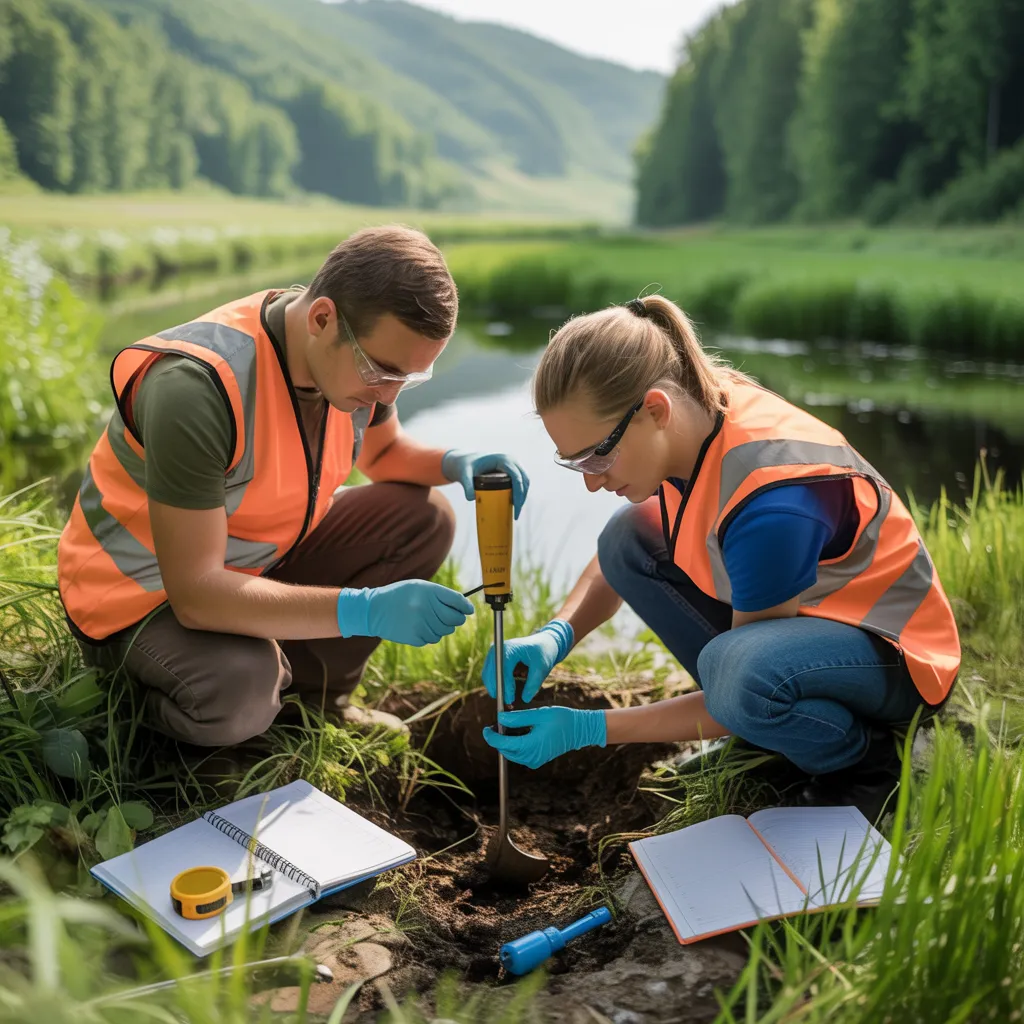
Comprehending environmental consulting is indispensable for corporations intending to roll out environmentally conscious practices. This profession requires knowledgeable guidance on compliance frameworks, ecological strategies, and resource management. Environmental consultants inspect a company's operational activities to uncover sectors for progress, guaranteeing respect for ecological mandates and restricting environmental consequences.
The benefits of bringing on environmental consultants are substantial. They provide bespoke solutions that enhance operational performance, reduce waste, and reduce costs associated with resource consumption. By evaluating potential environmental hazards, consultants help businesses reduce liabilities and enhance public image. Additionally, the integration of sustainable practices often leads to innovation and competitive advantage in the marketplace.
In the long term, working alongside environmental consultants cultivates a culture of sustainability within companies, motivating employees to embrace environmentally conscious behaviors. Through their expertise, businesses not only support environmental preservation but also position themselves as leaders in corporate responsibility, attracting increasingly eco-conscious consumers.
Analyzing Your Planet Impact
Assessing a business's environmental footprint involves identifying primary areas of impact and evaluating rates of resource use. By analyzing these elements, organizations can pinpoint where changes are required. This method not only fosters environmental stewardship but also enhances workplace productivity.
Locating Important Outcome Categories
Many businesses ignore the critical importance of identifying key focal points when evaluating their ecological impact. By pinpointing specific aspects of their operations that contribute to environmental degradation, organizations can create targeted strategies for improvement. These key zones often encompass energy consumption, waste generation, water use, and emissions. Comprehending these elements allows enterprises to prioritize measures that yield the most significant ecological advantages. In addition, engaging stakeholders in this recognition procedure fosters a sustainable culture within the entity. By recognizing and addressing these key impact areas, companies position themselves to improve their overall sustainability, lower expenses, and meet regulatory requirements. This proactive approach ultimately supports long-term ecological and economic viability.
Assessing Material Consumption Rates
Once primary focus zones are identified, the next step involves measuring resource consumption rates to assess the company's environmental footprint. This procedure requires a organized method to collect information on energy, water, and material usage across all activities. Utilizing tools such as energy audits, liquid evaluations, and material tracking analysis can offer understanding into consumption patterns. Companies should also consider establishing benchmarks to measure against industry standards or past performance. By examining these metrics, businesses can pinpoint inefficiencies and opportunities for reduction. Accurate measurement not only aids in compliance with environmental regulations but also enhances company environmental initiatives. This information-based method is essential for making informed decisions that align with long-term environmental goals.
Important Regions for Responsible Corporate Practices
Likewise, corporations can channel resources into alternative energy solutions, such as solar or wind, to reduce dependence on fossil fuels. Employee involvement in environmental programs nurtures a culture of responsibility, motivating creative endeavors and resolve toward sustainable methods. Ultimately, candid reporting on environmental milestones and advancements strengthens trust among investors and conveys accountability. Through consolidating these primary domains, corporations contribute to environmental preservation and secure their role as champions of responsible enterprise, appealing to increasingly nature-conscious consumers.
Locating the Perfect Environmental Consultant for You
Determining an ecological specialist calls for a clear understanding of a business's specific needs and goals. Reviewing these requirements facilitates organizations to coordinate with consultants who possess the suitable competence and history. This systematic approach secures that corporations make informed choices for sustainable solutions.
Analyzing Your Business Needs
When companies understand the importance of sustainability, they often face the difficulty of identifying the appropriate sustainability advisor to meet their specific requirements. This process starts with a comprehensive assessment of the organization's sustainability objectives, compliance standards, and existing practices. Businesses should consider their industry context, operational scale, and particular issues, such as garbage disposal or power conservation. Engaging different team members within the business can offer valuable insights into the priorities and expectations of the consulting engagement. Furthermore, it is vital to establish the range of offerings required, whether it be compliance, strategy development, or education. By explicitly defining these requirements, businesses can streamline the choosing procedure and ensure a more successful partnership with their selected advisor.
Reviewing Consultant Proficiency
How can businesses guarantee they select the right sustainability advisor? Assessing consultant expertise requires several important factors. Initially, organizations should assess the consultant's credentials, encompassing pertinent certifications, training, and expertise in particular environmental fields. Next, examining previous engagements and customer testimonials provides understanding into the consultant's effectiveness and reliability. Additionally, understanding their approach to environmental responsibility—whether they emphasize cutting-edge approaches or regulatory adherence—is essential. Communication skills also play a important part; a consultant must effectively communicate complex details to different stakeholders. Finally, consider the consultant's commitment to ongoing education and keeping current on environmental requirements and innovations. Through systematically examining these elements, organizations can reach well-considered choices and pick a consultant best matched to their unique requirements.
Build Your Individual Eco-Friendly Strategy
A carefully designed sustainability plan can markedly enhance a business's eco footprint and business efficiency. This procedure begins with a comprehensive assessment of the business's current methods, identifying aspects where improvements can be made. Primary contributors should be involved in this evaluation to confirm varied viewpoints are considered.
Following this, precise, quantifiable objectives need to be developed. These goals should align with the overarching objectives key resource of the organization while confronting environmental concerns such as reducing waste, power conservation, and sustainable resource use.
In addition, it is critical to put in place innovative solutions addressed to the distinctive issues of the industry. Liaising with proficient environmental professionals can communicate valuable insights into leading methodologies and next-generation innovations.
Finally, a clear communication plan can foster a sustainable culture within the organization, ensuring that all employees understand their roles in achieving these goals. This comprehensive strategy ultimately positions the business as a leader in sustainability.
Establishing Sustainable Strategies Productively
Effective execution of green practices necessitates a well-planned strategy that prioritizes clarity and purpose. Businesses must first establish clear objectives, determining specific sustainability goals aligned with their overall mission. This involves partnering with stakeholders, such as employees and suppliers, to promote a culture of sustainability throughout the organization.
Next, enterprises should allocate resources effectively, ensuring that the required instruction, equipment, and digital solutions are positioned to support environmentally responsible operations. Consistent interaction is essential, as it keeps all stakeholders informed and motivated.
Furthermore, weaving in environmental responsibility into existing processes can improve efficiency and lower pushback against transformation. By testing programs, organizations can evaluate viability and make adjustments before complete rollout.
In the final analysis, a devoted management body, combined with transparent processes and ongoing engagement, can substantially boost the impact of sustainability initiatives, contributing to prolonged rewards for both the institution and the ecological system.
Evaluating Your Sustainable Growth
What techniques can businesses employ to track their sustainability progress effectively? Firms can implement a selection of resources and indicators to evaluate their ecological consequences and advancements. One common method is the incorporation of key performance indicators that center on energy usage, waste reduction, and carbon emissions. By establishing well-defined targets, organizations can assess their gains over time.
In addition, software solutions that monitor resource consumption and carbon emissions can supply up-to-the-minute data, supporting clearer judgment. Routine sustainability audits also play an essential role, allowing enterprises to recognize improvement opportunities and guarantee conformity with regulatory requirements.
Engaging key parties with feedback tools and survey methods can significantly strengthen the tracking process, building a framework of transparency and iterative enhancement. Ultimately, a organized structure to tracking sustainability progress enables organizations to implement informed decisions and display their pledge to ecological management.
Regularly Asked Questions
What Is the Average Price of Ecological Consulting for Enterprises?
Environmental advisory pricing for businesses commonly range from $100 to $300 per hour, contingent on the firm's expertise and complexity. Fixed pricing may apply, varying in relation to required services and duration.
Which Certifications Should I Search for in an Environmental Professional?
When identifying an environmental consultant, you should look for qualifications such as Certified Environmental Professional (CEP), ISO 14001, or LEED accreditation, as these show expertise and commitment to sustainable practices within environmental management.
Can Smaller Companies Profit From Eco-Consulting Services?
Yes, small businesses can substantially gain from environmental consulting services. These offerings help maximize resource efficiency, reduce waste, improve adherence with regulatory requirements, and boost comprehensive sustainability practices, ultimately leading to cost savings and a improved reputation.
How Frequently Should I Enhance My Environmental Strategy?
Refreshing a corporate environmental approach should be executed per year or biennial basis, guided by industry changes and enterprise scaling. Periodic assessments guarantee alignment with evolving regulations, stakeholder expectations, and cutting-edge solutions, catalyzing continuous improvement and superior green outcomes.
Which Industries Receive the Greatest Benefits From Environmental Guidance?
Industries including manufacturing, construction, energy, and agriculture gain considerable advantage from environmental advisory services. These sectors frequently encounter legal requirements, resource allocation problems, and sustainability targets that demand skilled direction to boost their green performance and compliance.